
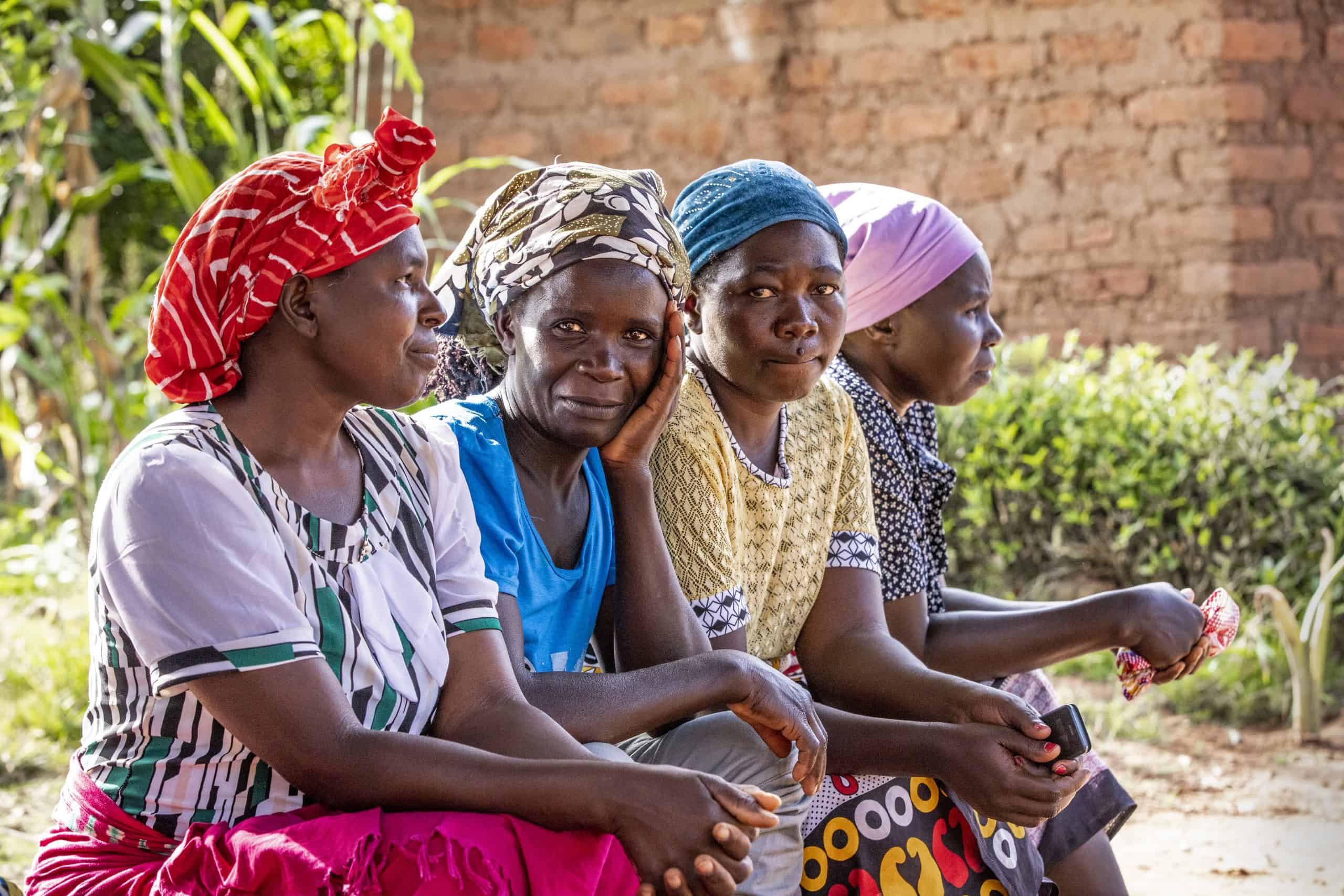
Worldwide, women and girls spend 200 million hours daily collecting and carrying water. On the days they are able to access enough water to bring home, it is still unsafe to drink. Throughout our work in Kenya, we’ve collected countless stories of women whose days are defined by a relentless pursuit of water.
Mothers, daughters, and sisters wake up before dawn. Their small, tin-roofed homes are already sweltering as the air is thick amongst the overcrowded streets. Without a reliable tap in their home, they spend hours each day waiting in line at the nearest water source, only to find that the supply has run dry, or that what’s left is murky and unsafe. On those days, their only choice is to buy water from a vendor. The prices are sky-high, much higher than in the wealthier neighborhoods of Nairobi. These women and their families are at the mercy of unregulated water sellers. These vendors control much of the water in the slums, often charging five times the official rates.
As they reach the front of the line, they fill their containers with water that looks clean. But they know that this water isn’t treated and it is likely is contaminated with sewage from homes, businesses, and animals in the streets. Even with this knowledge, there isn’t any other option. Their children need this water to drink, cook, to wash, and to bathe.
Once they return home, their family members drink and use the water. They watch them drink it down, trying to suppress the fear of the risks they know all to well…typhoid, cholera, and other waterborne diseases. If they get sick, they try to treat it with salt and sugar water at home. With no money for the clinic, they pray these home remedies will suffice.
No matter how careful, or where the water comes from it could make them sick at any time.
As the day goes on, they cook with the little water they have left. The fear of sickness never leaves their minds. Every time the children cough or complain of a stomachache, they wondering if it’s the dirty water… again.
In the slums, access to safe, clean drinking water is a privilege, one reserved for the wealthy and the lucky. For everyone else, it’s a daily gamble, let their families go thirsty or risk their health with the only water available.
This is the harsh reality for the women in Nairobi’s slums, caring for their children in a world where water, the most basic necessity, is both scarce and dangerous.
For $55 you can bring a lifetime supply of safe, clean drinking water to a household.